Pay in installments of $6.41 with
 ,
,
 and
and

Shipping Estimate
USA
- USA
- CAN
- USA
- CAN
Ships within 48 hours · Estimated delivery Jun 30 - Jul 5
 Promo Codes Available:
For Your Every Summer RSVP, with Code: SUMMER15
Description
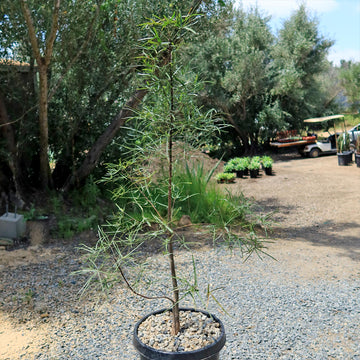
queensland bottle tree bonsai Queensland Bottle Tree 'Brachychiton rupestris'The Queensland bottle tree, also known as Brachychiton rupestris, is a popular plant with a swollen trunk that resembles a rounded bottle. Native Australian tree from Queensland, this beauty, also known as the Australian bottle tree or narrow leaved bottle tree, gets its name from its incredible growth habit and narrow leaf blades. The Queensland bottle tree belongs to the Malvaceae family and is characterized by a large, unique bottle shaped trunk,
The Queensland bottle tree, also known as Brachychiton rupestris, is a popular plant with a swollen trunk that resembles a rounded bottle. Native Australian tree from Queensland, this beauty, also known as the Australian bottle tree or narrow-leaved bottle tree, gets its name from its incredible growth habit and narrow leaf blades.
The Queensland bottle tree belongs to the Malvaceae family and is characterized by a large, unique bottle-shaped trunk, but it takes about 5 to 10 years to get that shape. A mature Queensland bottle tree root develops a thickened caudex, which makes an unusual bonsai.
With its narrow leaves (or adult leaf blades) and bulbous trunk reaching up to 11 feet in diameter, it commands attention like a true showstopper.
Rising high between 33 and 82 feet in its native habitat, the Queensland bottle tree proudly showcases its deciduous nature, which means the trees shed leaves from September to December.
The bottle tree in a pot grows even smaller, to about 15 feet tall.
The Brachychiton rupestris bottle tree blooms into creamy-yellow flowers with red markings from spring to summer.
The Brachychiton rupestris Queensland bottle tree has a moderate growth rate throughout the year without any distinct dormant season, and mature trees transplant easily. The fibrous, dark grey bark of this bottle tree plant is used for making ropes and fishing nets.
The bottle tree plays a vital role in preserving our natural habitats. Found predominantly in the endangered central semi-evergreen vine thickets (also known as bottletree scrub) of the Queensland Brigalow Belt, this majestic tree stands as an emergent hero among its fellow flora friends. So intriguing is this species that even farmers who clear land often choose to leave these remnants behind for their shade and fodder trees.
When and How to Water Your Queensland Bottle Tree
The Queensland Bottle Tree is highly drought-tolerant once established, making it an excellent choice for dry climates and low-maintenance landscapes. Its swollen trunk stores water, allowing the tree to withstand extended dry periods. The Queensland Bottle Tree prefers watering once every 2-3 weeks in the growing season, and 4-6 weeks in the dormant season.
In the spring and summer, during the growing season, the tree should be watered once every 2-3 weeks, especially while it is still young and developing its root system. Deep watering is ideal during dry spells, ensuring the moisture penetrates deeply into the soil. This encourages strong root growth and supports the tree’s lush canopy development during its active growing months.
In fall and winter, during the dormant season, an occasional deep watering once every four to six weeks will be sufficient. Overwatering should be avoided in cooler months, as excess soil moisture can increase the risk of root rot when the tree is not actively growing.
Light Requirements - Where to Place Your Queensland Bottle Tree
When grown indoors, place your Queensland bottle tree in bright sunlight for at least 4-6 hours a day. This succulent tree may benefit from shade in consistently hot climates. It is ideal to grow this bottle tree in a west- or south-facing window.
If growing outdoors, your Queensland bottle tree needs full sun for proper growth. It should be planted in an area that receives at least six hours of direct sunlight a day. If this proserpine bottle tree is planted in a shaded area, it may not grow as well or produce more compact flower heads.
Optimal Soil & Fertilizer Needs
The bottle tree likes very airy, porous, nutrient-rich soil with a pH of 5.6–6.5, and should be fertilized once a year in spring. It requires fast-draining soil that dries completely between waterings. Your soil must have a sandy texture and a low water-holding capacity, just like desert soil. Ideally, you want to use our specialized succulent potting mix that contains 5 natural substrates and organic mycorrhizae to promote the development of a strong root system that helps your succulent thrive.
When it comes to fertilizing your Australian bottle tree, it only needs a small amount of fertilizer applied once a year in the spring. The Brachychiton rupestris prefers fertilizer with lower doses of NPK, with a maximum ratio of 5-10-5, which is higher in phosphorus than nitrogen.
Hardiness Zone & More
In the United States, the Queensland bottle tree is mostly an indoor plant, but if you live in southern Florida or Hawaii, then you can cultivate it outdoors in USDA zones 9-12.
It prefers warm temperatures and can tolerate moderate to high humidity.
The tree can withstand temperatures as low as 25°F but may suffer damage if exposed to frost.
It's important to protect the tree from frost if you live in a cooler climate. A succulent tends to live for many years and grows slowly. Plant your Brachychiton rupestris Queensland bottle tree in the spring after the weather warms up.
How to Grow the Best Queensland Bottle Plant Indoors
To grow the best Queensland Bottle Tree indoors, place it in a warm environment with consistent temperatures between 60°F and 75°F and plenty of bright, indirect sunlight. This drought-tolerant tree adapts well indoors if given a well-draining soil mix and watered deeply but infrequently, allowing the soil to dry between waterings. Keep it away from cold drafts, heating vents, or sudden temperature changes, as these can stress the plant. With the right balance of light, warmth, and careful watering, the Queensland Bottle Tree can thrive as an impressive and long-lived indoor specimen.
Wildlife - Queensland Bottle Tree Attracts the Following Friendly Pollinators
Queensland Bottle Trees are known to attract a variety of friendly pollinators such as bees, butterflies, and hummingbirds due to their unique flowers and nectar production. These pollinators play a crucial role in the reproduction of the tree and contribute to the overall biodiversity of the ecosystem.
How to Propagate Your Queensland Bottle Tree
The best way to propagate the Brachychiton rupestris bottle tree is by cuttings. But bottle trees grown with seeds will take up to 20 years to bloom. It is important to provide proper care to your propagated Queensland bottle tree, including regular watering and protection from extreme temperatures, to ensure its successful growth.
Key Takeaways
- The Queensland Bottle Tree develops a distinctive swollen trunk that can store thousands of liters of water, helping it survive long periods of drought.
- Tree originates from Queensland, Australia, where it thrives in dry subtropical woodlands and is valued as a natural survivor.
- The Queensland Tree produces clusters of creamy yellow flowers that bloom in spring and early summer, adding ornamental interest.
- It is highly adaptable and can be grown as a striking landscape specimen, bonsai, or even indoors in large pots.
Final Thoughts
Overall, the Queensland Bottle Tree (Brachychiton rupestris), is a fascinating and beautiful tree native to Australia. It thrives in warm climates and is typically found in hardiness zones 9–12. When grown indoors, it prefers temperatures ranging from 60 to 75°F and benefits from moderate to high humidity levels. With its unique bottle-shaped trunk and lush foliage, this Australian bottle tree adds a touch of tropical beauty to any landscape. Just remember to provide it with the right temperature and create a suitable environment for its growth. Give this Brachychiton rupestris bottle tree a try if you're looking for an easy plant to care for!
Shipping Notes
- Free Standard Shipping on $100+ Orders to the USA.
- Except Preorder products are shipped in 48 hours.
- Delivery to the USA:
- Standard Shipping : 3-10 business days
- If time is of the essence, please consider selecting expedited delivery for faster service.
Exchange/Return Notes
- We offer a 30-day return/exchange service after receiving.
- Final sale items are not eligible for returns or exchanges.
- To process your return/exchange, please contact us at [email protected]
- Please click here for more details>>> Return & Exchange Policy